Trying to choose between Cedar City and Enoch for your first home? You are not alone. Both spots sit minutes apart in Iron County, yet they feel different day to day. By the end of this guide, you’ll understand how each city stacks up for affordability, commute, amenities, long-term costs, first-time buyer loans, and resale. Let’s dive in.
Quick take: When each city fits
- Choose Cedar City if you want options across budgets, shorter drives to work or school, and more walkable pockets near downtown and SUU.
- Choose Enoch if you want a newer single-family home, a larger lot, and a suburban layout with quieter streets.
- Either can work if your top priority is value. Your best choice comes down to budget, commute tolerance, preferred home type, and how you spend your free time.
Housing options and price patterns
First-time buyers usually weigh price, condition, maintenance, and space. The two cities differ here.
What you’ll likely find in Cedar City
Cedar City offers a mix of homes. You’ll see older single-family homes in established neighborhoods near downtown, plus starter ranch homes and more attached options like townhouses and condos near Southern Utah University and central areas. Newer subdivisions sit at the edges of town.
This variety helps if you want lower-maintenance living, a smaller yard, or walkable access to jobs and entertainment. It also broadens your future resale pool because buyers range from university staff and healthcare workers to students and local professionals.
What you’ll likely find in Enoch
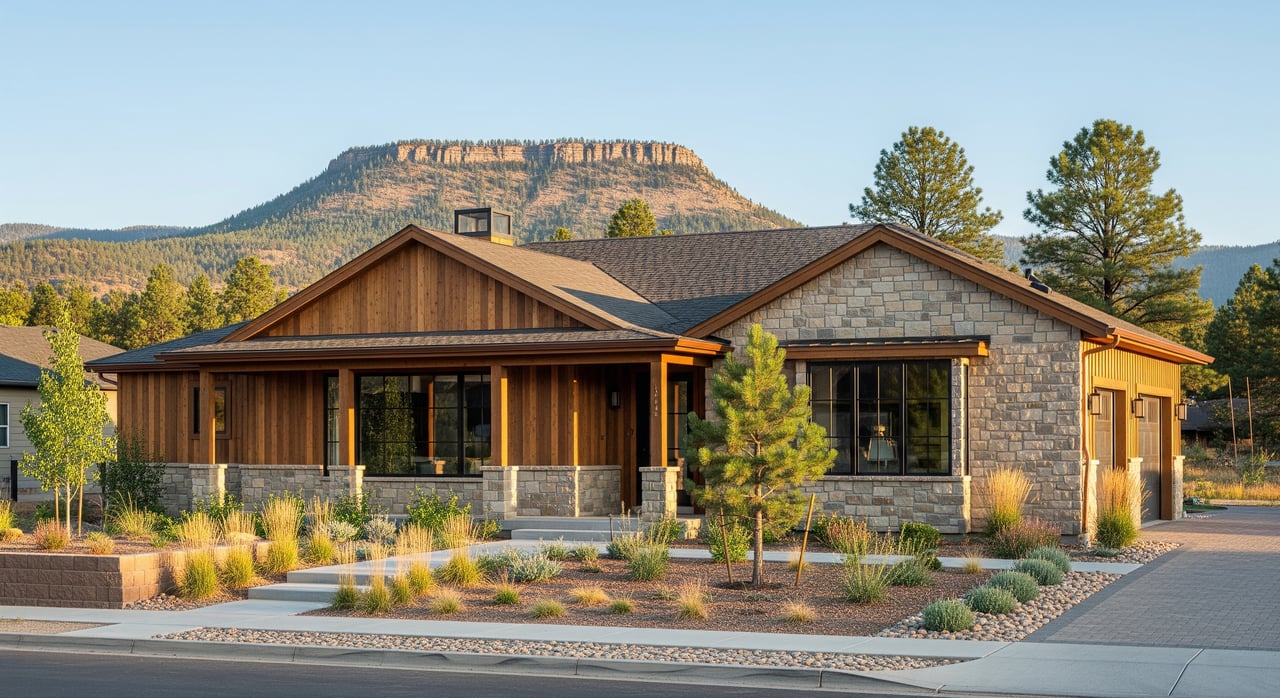
Enoch skews newer and more suburban. Most inventory is single-family detached homes, often in recent tract subdivisions with larger lot sizes than many in-town Cedar City neighborhoods. Attached options are less common, and student rental demand is limited.
This setup fits buyers who want a newer home feel, more elbow room outdoors, and a neighborhood street vibe. You may see more homes with similar floor plans, which is helpful for pricing comparisons.
How to gauge current values
Prices and inventory change fast. Before you decide, compare each city’s current median sale price, price per square foot, months of supply, and days on market. A fresh pull from the local MLS is best. If you want to dig deeper, review recent 2–3 bedroom closed sales from the last 90 days to spot realistic entry points and repair budgets. Brett can provide that snapshot so you are basing your choice on today’s market, not last quarter’s.
Commute and transportation
Both cities sit on the I-15 corridor, with Enoch just north of Cedar City. That means quick freeway access whether you work at Southern Utah University, Intermountain Cedar City Hospital, or in local retail and county services.
- Walkability: Cedar City’s downtown and areas around SUU are more walkable for daily errands and campus access. Enoch’s layout is more car-dependent.
- Transit: Local public transit is limited, so most residents rely on private vehicles.
- Regional context: Drives to St. George are roughly 1 to 1.5 hours south. Long daily commutes to the Wasatch Front are uncommon.
- Data source: For an objective view of commute trends, the U.S. Census Bureau’s American Community Survey tracks mean travel time to work for each city. You can review the program overview on the Census Bureau’s American Community Survey page for context on how those numbers are collected.
Amenities and daily life
Services and shopping
Cedar City is the county seat, so you get broader services, more grocery and retail choices, and a wider mix of restaurants and entertainment. City information and departments are centralized on the City of Cedar City website. Enoch has neighborhood retail and is adding more, but residents often drive into Cedar for larger shopping trips and specialized services. For city updates and services, visit the Enoch City website.
Healthcare and education
Most residents use Intermountain’s Cedar City Hospital and local clinics in Cedar City. You can find locations and services on the Cedar City Hospital page.
Both cities are served by Iron County School District. If schools matter in your decision, review official, neutral data like Utah State Board of Education report cards for each campus you are considering. Southern Utah University adds year-round cultural and educational events, and brings steady activity to the area.
- Explore the Cedar City Hospital for healthcare context.
- See Southern Utah University for campus programs and culture.
- For commuting trend methodology, check the Census Bureau’s ACS resources.
Costs beyond the purchase price
Your monthly payment is only part of the picture. Factor in these recurring items when you compare Cedar City and Enoch.
- Property taxes: Utah’s tax structure is moderate, but bills vary by assessed value and local rates. Use the Iron County Assessor to estimate taxes on any target price point.
- Utilities: Cedar City has municipal utility services posted on its city site. Enoch provides city water/sewer and contracts with providers for some services. Rates and connection fees differ by subdivision, so verify before you make an offer.
- HOA fees: Many Enoch subdivisions and some Cedar City townhome or condo communities have homeowners associations. Fees often cover common area maintenance and may include snow removal. Always review CC&Rs and budget for dues.
- Insurance and risk: Standard homeowners policies vary by provider. Check FEMA’s Flood Map Service Center to see whether a property sits in a mapped flood zone that could require flood insurance. In this high-desert climate, review local wildfire risk and plan for defensible space where recommended.
- Climate and maintenance: At roughly 5,800 to 6,000 feet in elevation, winters bring snow and cooler temperatures than lower southern Utah. Budget for seasonal maintenance like roof checks and snow removal tools.
First-time buyer financing programs
Utah offers solid options for first-time buyers. The right product depends on your income, credit, and where the home is located.
- Utah Housing Corporation: State-backed loans and down payment assistance can help reduce upfront cash needs. Explore program types and eligibility on the Utah Housing Corporation site, then have your lender confirm the best fit.
- FHA, USDA, and VA: FHA loans allow low down payments with mortgage insurance. VA loans serve eligible veterans and active-duty service members. USDA loans offer zero-down options in eligible areas, which can include parts of Iron County. You can check general location eligibility on the USDA property eligibility map and confirm with your lender.
Tip: Ask your lender for two side-by-side scenarios for each city that show your estimated monthly payment, including taxes, insurance, and any HOA dues. Lock in the assumptions with the current interest rate and today’s property tax estimate from the Assessor’s site. This makes Cedar City vs. Enoch a clear numbers decision.
Growth, new construction, and resale
Cedar City benefits from steady activity tied to Southern Utah University and county-level services, which helps support a diverse buyer pool. Enoch has grown rapidly with new subdivisions that attract buyers seeking larger lots and newer homes.
- New construction and permits: Watch planning updates and building departments for each city to gauge future supply and neighborhood additions. Start with the City of Cedar City website and the Enoch City site for agendas and permits.
- Resale outlook: Cedar City’s variety can improve resale flexibility since it appeals to a wider range of buyers, including students, healthcare workers, and local professionals. Enoch’s appeal centers on lot size and newer construction. Resale trends depend on continued demand for suburban-style homes and the pace of new builds.
- Infrastructure: Planned road work can change commute convenience. Track regional updates through Utah agencies and local meetings.
Two buyer scenarios to make it real
Scenario 1: Short commute and lower maintenance
You work near SUU or the hospital and prefer to minimize yard work. A Cedar City townhouse or small-lot single-family home near central amenities could be a strong fit. Benefits include proximity to work, entertainment, and services, plus more attached-home options at entry price points. Tradeoffs may include smaller yards and more competition near campus.
Scenario 2: Space, yard, and newer finishes
You want a larger lot, a newer floor plan, and are comfortable driving a bit more for errands. Enoch’s subdivisions often deliver that at prices that can be competitive for first-time buyers. Benefits include newer construction and outdoor space. Tradeoffs include more driving for dining and entertainment and fewer walkable destinations.
Your next-step checklist
- Get a fresh MLS snapshot comparing current median prices, days on market, and months of supply in Cedar City and Enoch.
- Pull 6 to 10 recent sold comps for 2–3 bedroom homes in each city to set realistic offer and repair budgets.
- Test-drive your commute at typical hours. Map SUU, the hospital, and your daily errands to see which routes you prefer.
- Review school boundaries and official reports if schools are part of your decision.
- Confirm property taxes with the Iron County Assessor and check any flood zone status with FEMA.
- Ask your lender for side-by-side payment estimates for Utah Housing, FHA, USDA, or VA options, including taxes, insurance, and HOA dues.
- Verify HOA rules and fees if the home is in a governed community. Read CC&Rs before you write an offer.
- Walk the neighborhood at different times of day to assess noise, traffic, and personal comfort.
Ready to see which city fits your goals? Connect with Brett Taylor to compare on-market and off-market options and to Request a Free Home Valuation & Personal Consultation.
FAQs
Which is more affordable for a first-time buyer: Cedar City or Enoch?
- Affordability shifts with inventory and interest rates; compare current median prices and 2–3 bedroom sold comps in both cities using a fresh MLS report before you decide.
What home types are most common for entry-level budgets?
- Cedar City often offers more townhomes and condos near central areas, while Enoch skews toward newer single-family homes with larger lots in subdivision settings.
How long are typical commutes in Cedar City and Enoch?
- Most residents rely on cars; Enoch is minutes north of Cedar City along I-15, and walkability is higher near SUU and downtown Cedar; use the Census ACS trend data and test-drive your route.
Where do residents access healthcare services?
- Most residents use Intermountain’s Cedar City Hospital and nearby clinics in Cedar City for primary and specialty care.
What first-time buyer programs are available in Iron County?
- Many buyers consider Utah Housing Corporation programs, plus FHA, USDA, and VA loans; confirm your eligibility and compare monthly payments with a local lender.
What ongoing costs should I budget for beyond my mortgage?
- Plan for property taxes, utilities, insurance, and any HOA dues; verify taxes through the Iron County Assessor and check FEMA flood maps for any special insurance needs.
Which city has better resale prospects?
- Cedar City’s diverse housing stock draws a wider buyer pool, while Enoch’s newer homes and larger lots appeal to space-seekers; your resale outlook hinges on neighborhood, condition, and future supply.