Moving for work, family, or a lifestyle change is stressful enough without trying to sell your St. George home at the same time. If you are juggling deadlines, travel plans, and the question of where you will live next, you are not alone. The good news is that a relocation sale can be handled smoothly when you plan early, organize the right documents, and set realistic timing expectations. Let’s walk through what matters most.
Start With a Clear Relocation Plan
When you are relocating, the biggest challenge is usually timing. You are trying to decide when to list, when to move, and whether to buy your next home before or after your current one sells.
For many sellers, a sell-first plan is the lowest-stress option. Washington County notes that employment transfers can pressure owners to sell quickly, sometimes below market value, just to avoid carrying two households. Selling first can help you reduce that risk and make better decisions with your move budget.
It also helps to remember that moving costs are not limited to the sale itself. The CFPB notes that relocation budgets often include closing costs, moving expenses, repairs, home improvements, and even new furniture. Looking at the full picture early can help you avoid surprises later.
Why Early Timing Matters
Relocation sales often involve more moving parts than a standard sale. If you are already out of town by the time your home goes under contract, you may need to handle signatures, closing coordination, and final logistics remotely.
The CFPB notes that closings can stretch over several weeks and that signatures may be collected separately, by mail, or online. That means your best move is to start planning before the listing goes live, not after you accept an offer.
Build Your Timeline Backward
A practical way to prepare is to work backward from your move date. That gives you a better sense of when to complete repairs, gather disclosures, prepare the home, and list it for sale.
Your timeline may include:
- Decluttering and packing non-essential items
- Completing minor repairs
- Collecting HOA or property documents
- Planning photography and staging
- Scheduling your move-out date
- Confirming utility transfer and possession timing
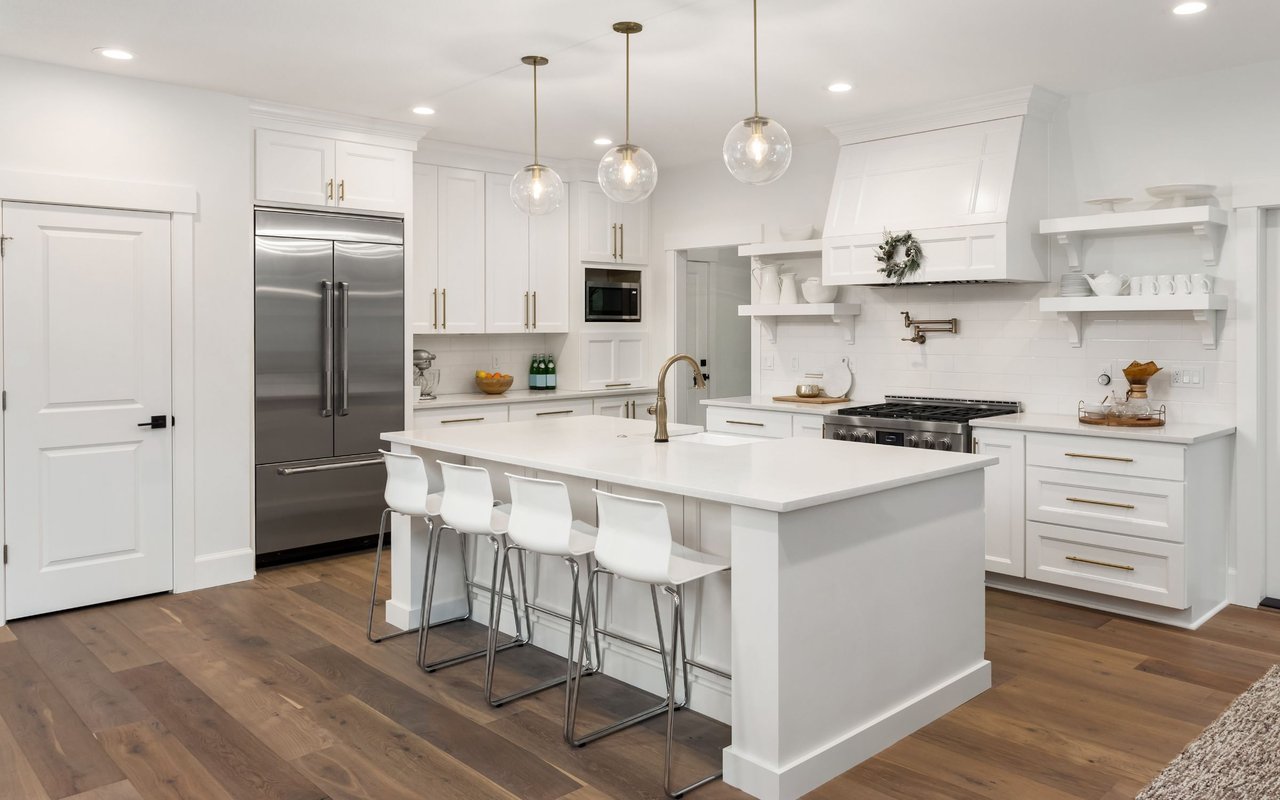
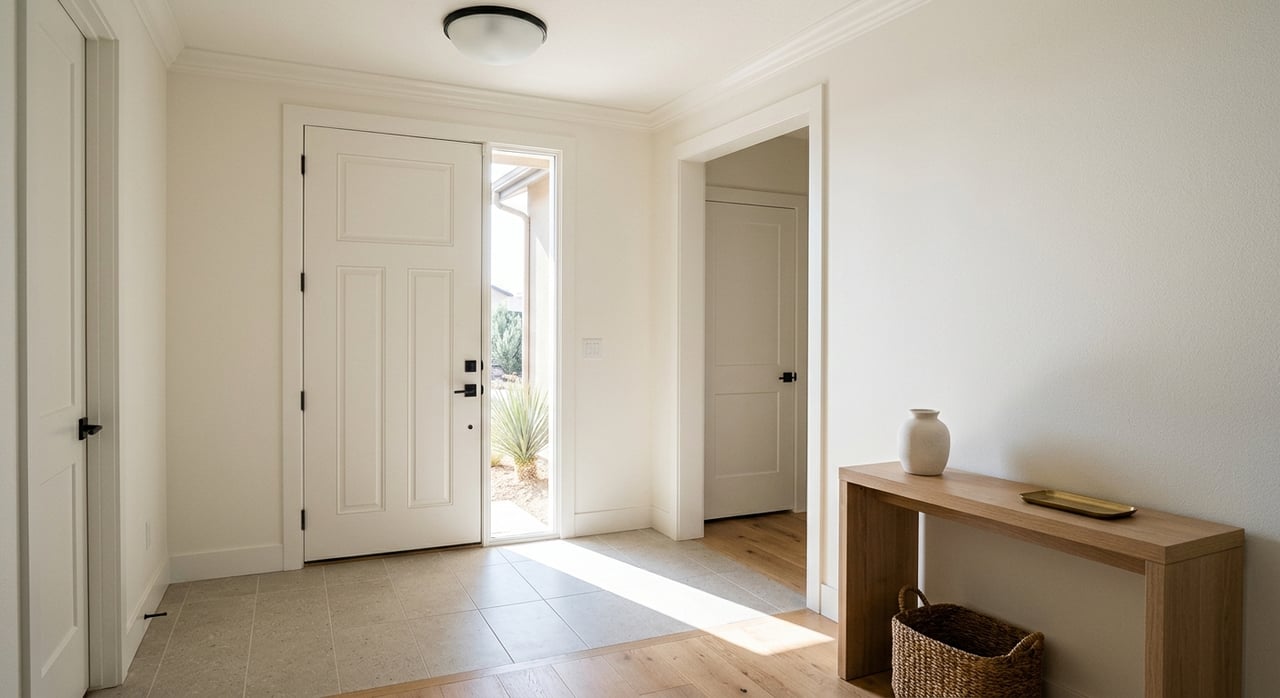
Prepare Your St. George Home to Show Well
When buyers walk through your home, they want to picture how the space will function for them. That is why preparation matters so much, especially if you want to sell efficiently while managing a move.
According to the National Association of Realtors 2025 Profile of Home Staging, 83 percent of buyers’ agents said staging made it easier for buyers to visualize a property as their future home. The same report found that 49 percent of sellers’ agents said staging reduced time on market, and 29 percent reported a 1 percent to 10 percent increase in the dollar value offered.
Focus on the Most Important Areas
NAR reports that the most commonly staged rooms are:
- Living room
- Primary bedroom
- Dining room
- Kitchen
If you are short on time or budget, start there. A clean, uncluttered, and well-presented main living space can make a strong first impression.
Keep Preparation Simple and Strategic
Staging does not always mean a full redesign. NAR describes it as cleaning, decluttering, repairing, depersonalizing, and making updates that help buyers focus on the home itself.
For a relocation sale, that often means:
- Removing extra furniture
- Packing personal photos and collections
- Touching up paint where needed
- Deep cleaning surfaces and floors
- Improving curb appeal with basic upkeep
If your home will be vacant, virtual staging may also be useful. NAR notes that virtual staging can work well for vacant homes or homes that are still occupied, which makes it a helpful option if you move before marketing is complete.
Gather Utah Seller Disclosures Early
One of the most important parts of a relocation sale in St. George is getting ahead of the disclosure process. Utah’s standard REPC requires a broader seller disclosure package than many homeowners expect.
By the seller-disclosure deadline, the contract may require items such as a written property condition disclosure, lead-based paint disclosure for homes built before 1978, title insurance commitment, CC&Rs and rules, HOA minutes, HOA budget and financials, long-term leases, short-term rental booking schedules, property-management agreements, evidence of water rights or water shares, and written notice of known environmental or zoning issues.
Why This Step Delays Sellers
If you wait until your home is under contract to gather these documents, your timeline can tighten fast. Utah Commerce notes that these seller disclosures are contractual requirements, and sellers are responsible for gathering HOA documents because buyers do not have independent access before closing.
That is a big reason why relocation sellers should organize paperwork before listing. It creates fewer delays and gives you more control when offers start coming in.
Rental and Vacation Use Need Extra Attention
If your St. George property has been used as a long-term rental or short-term rental, document that use early. Under the REPC, buyers accept title subject to long-term leases, existing property-management agreements, and short-term rental bookings that do not expire before closing.
In plain terms, if your home has leases, bookings, or management contracts attached to it, those details need to be clear from the start. Early organization helps prevent confusion and keeps the transaction moving.
Understand Your Real Net Proceeds
Many sellers focus on list price, but relocation decisions are easier when you know what you are likely to walk away with after closing. Utah’s REPC allows the escrow or closing office to withhold enough from the seller’s proceeds to pay off mortgages, judgments, mechanic’s liens, tax liens, and brokerage compensation at closing.
That is why it is smart to ask for an updated net sheet early in the process. Your real proceeds may be different from what you expect based on the sale price alone, especially if you are coordinating a move to another city or state.
Plan for Remote Signing and Closing
If you will already be in your next location when your St. George sale closes, remote coordination may be possible. Utah allows remote notarizations under specific rules.
State law says a remote notary must be physically located in Utah, use audiovisual communication, and create an electronic recording of the notarization. Utah’s notary office also maintains an approved-vendor list, which means the signing platform matters.
Remote Closing Is Possible, But It Takes Coordination
Remote signing can make relocation much easier, but it is not something to set up at the last minute. Washington County’s Recorder also offers e-recording, which allows documents to be recorded electronically instead of by mail, courier, or in person.
Even so, documents still must meet recording standards, including proper formatting and legible notary seals. In practice, that means remote closing is very doable, but your title company still needs time to prepare everything correctly.
Coordinate Move-Out, Possession, and Utilities
One of the easiest ways to create stress at the end of a relocation sale is to leave the final handoff unclear. Before settlement day, make sure you know when you are moving out, when the buyer takes possession, and when utilities should transfer.
Washington County notes that property taxes are a lien against the property and that title companies prorate taxes at closing. The county also notes that tax rates vary across Washington County by city, school district, and special service district.
Utah’s REPC also places utility responsibility on the buyer after the settlement deadline. That makes it especially important to line up possession dates and service transfers in advance so you are not paying for a property you have already handed over.
A Smart Relocation Sale Comes Down to Preparation
Selling a St. George home while relocating is not just about putting a sign in the yard and hoping the timing works out. It is about building a plan that accounts for pricing, presentation, disclosures, remote paperwork, and the final move.
With the right preparation, you can reduce stress, avoid preventable delays, and make better decisions at each stage. When your sale affects where you live next, clarity matters.
If you want a steady, detail-focused approach to selling during a move, Brett Taylor can help you build a practical plan, prepare your home for the market, and coordinate the process from listing to closing.
FAQs
What is the best way to time a St. George home sale during relocation?
- For many relocation sellers, a sell-first plan is the lowest-stress option because it can reduce the risk of carrying two households and making rushed pricing decisions.
What seller disclosures are required for a St. George home sale in Utah?
- Utah’s REPC may require a property condition disclosure, lead-based paint disclosure if applicable, title documents, HOA materials, lease or booking records, property-management agreements, water rights information, and notice of known environmental or zoning issues.
Can you sell a St. George home remotely after moving away?
- Yes, remote signing may be possible if coordinated early, since Utah allows remote notarization under specific rules and Washington County offers e-recording for eligible documents.
How should you prepare a St. George home before listing during a move?
- Focus on cleaning, decluttering, repairs, depersonalizing, and improving curb appeal, with extra attention on key spaces like the living room, primary bedroom, dining room, and kitchen.
What should you know about closing costs and proceeds when selling a St. George home?
- Your net proceeds may be reduced by items such as mortgage payoff, liens, taxes, and brokerage compensation, so an updated net sheet is more useful than relying on list price alone.
What if your St. George property has leases or short-term rental bookings?
- Those details should be documented early because Utah’s contract addresses long-term leases, property-management agreements, and short-term rental bookings that remain in effect through closing.