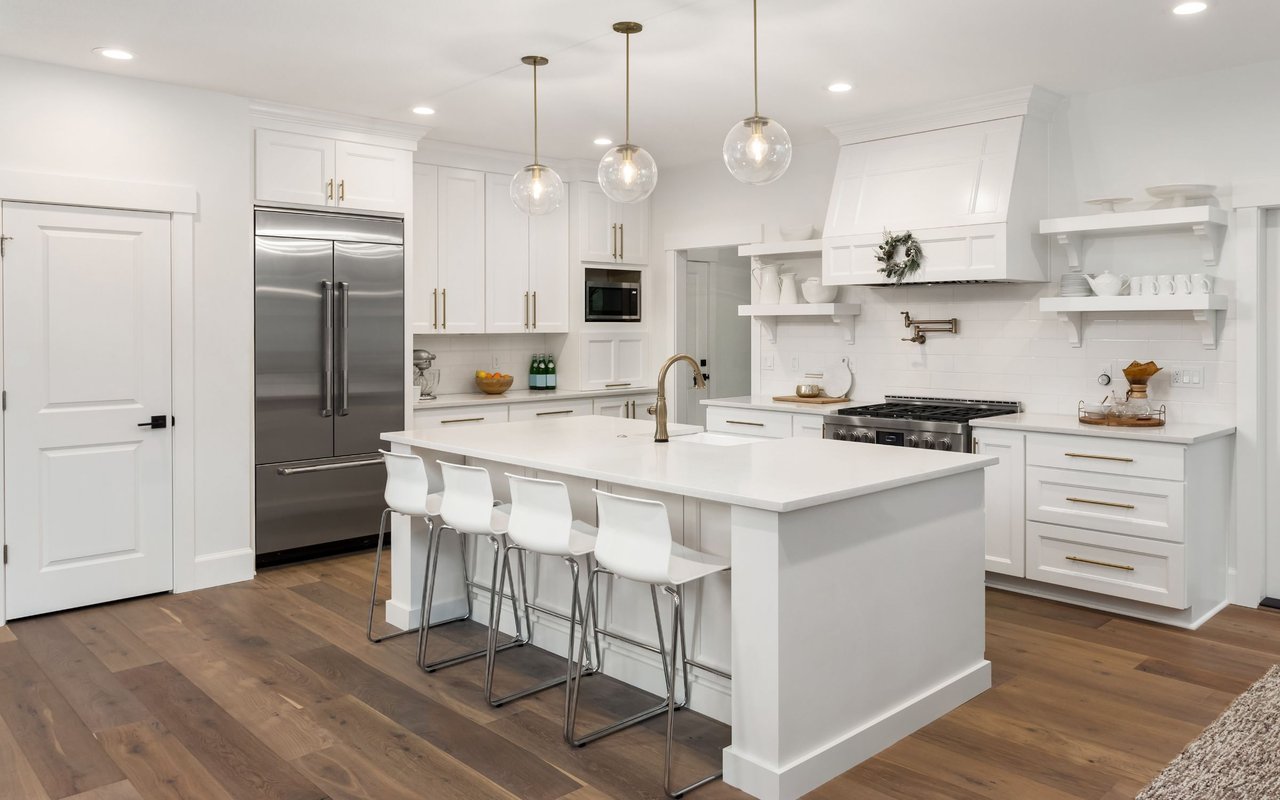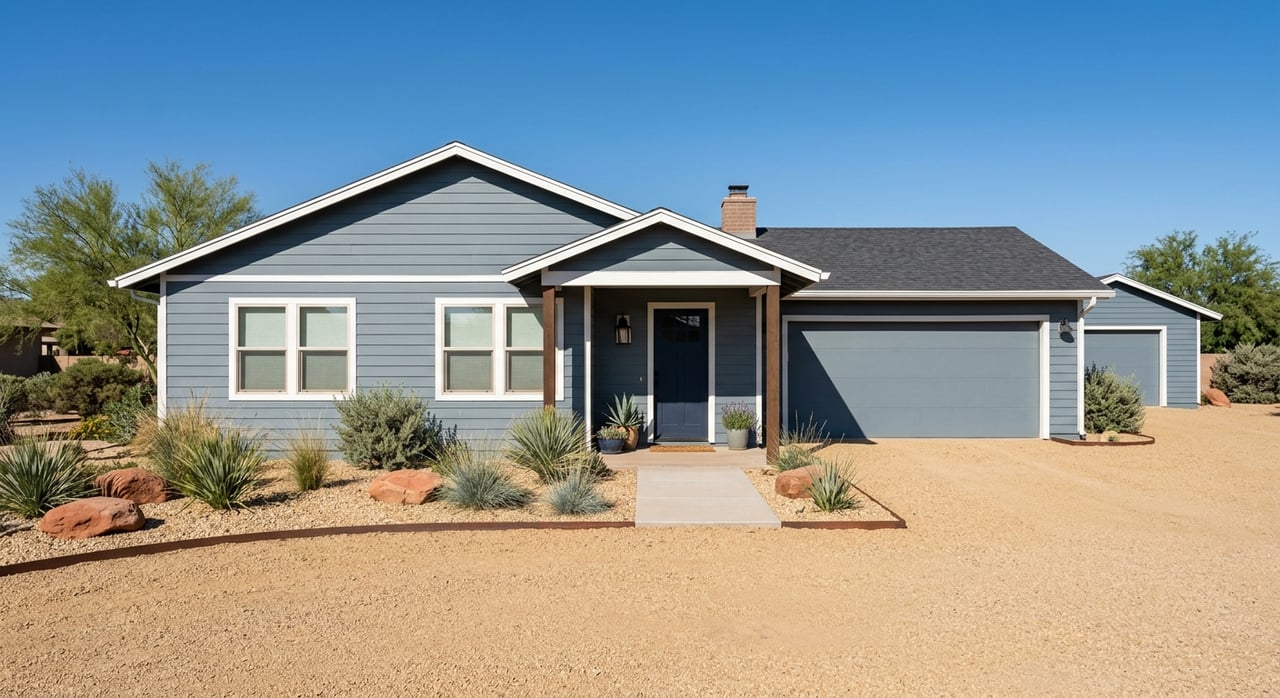
If you are deciding between Washington and St. George for your next home, the answer is less about which city is "better" and more about how you want everyday life to feel. Both give you access to Southern Utah’s red rock scenery, short commute times, and a strong range of housing options, but they offer different rhythms. This guide will help you compare price, housing style, recreation, and day-to-day convenience so you can choose the city that fits you best. Let’s dive in.
Washington vs. St. George at a glance
Washington and St. George sit close to each other, but they differ in size and overall feel. St. George is the larger city, with 106,289 residents across 77.4 square miles. Washington is smaller and more compact, with 32,348 residents across 36.1 square miles.
That size difference matters when you start thinking about what you want from your next move. St. George tends to feel like the larger hub, with more variety in neighborhood types and a broader urban footprint. Washington tends to feel more suburban, with a quieter pace and a stronger edge-of-open-space character in some areas.
Home prices may surprise you
A common assumption is that Washington is the more affordable alternative to St. George. The current numbers do not support that. Realtor.com shows a median listing price of $627,450 in Washington compared with $555,000 in St. George.
Housing value estimates tell a similar story. Census Reporter’s ACS housing estimates show a median owner-occupied value of $570,400 in Washington and $519,600 in St. George. If you are comparing the two, it is smarter to think of Washington as a different lifestyle option, not the bargain version of St. George.
What pricing looks like in Washington
Washington has a strong mix of newer suburban-style communities, and prices can move up quickly depending on location and home type. Current neighborhood snapshots include Green Springs at about $689,000, Coral Canyon at about $729,000, Sienna Hills at about $542,000, and Washington Bench at about $1.16 million.
That range shows that Washington is not limited to one kind of buyer. You can still find different price points, but the city also has meaningful upper-end inventory. If you want newer communities and are comfortable shopping in a market that is not necessarily discounted, Washington deserves a close look.
What pricing looks like in St. George
St. George offers a wider spread of price tiers. Current neighborhood snapshots range from Sports Village at about $262,000 and Las Palmas Resort at about $382,450 to Green Valley at about $462,500, Sun River St. George at about $485,000, Divario at about $644,999, Sunbrook at about $714,500, Entrada at about $1.247 million, Ledges of St. George at about $1.22 million, and Stone Cliff at about $1.59 million.
For you as a buyer, that wider range can open up more options. If you want to compare condos, resort-style properties, golf-oriented areas, and luxury neighborhoods all within one city, St. George gives you a broader menu.
Commute times are short in both cities
If you are hoping one city will save you a major amount of time in the car, the difference is small. Mean travel time to work is 18.2 minutes in Washington and 17.2 minutes in St. George. The St. George metro area overall comes in at 19.3 minutes.
In practical terms, commute time probably will not be the deciding factor. Your daily experience is more likely to come down to neighborhood fit, nearby services, and the kind of setting you want when you come home.
Washington also benefits from access to Interstate 15 through exits 10, 13, and 16. Its planning documents also call for an urban trail system that links parks, community destinations, and major open spaces, including better access from Washington Fields to downtown areas.
Housing style and neighborhood feel
This is where the Washington versus St. George decision gets more personal. The two cities do not offer the same neighborhood mix, and that often matters more than city limits alone.
Why Washington appeals to many buyers
Washington is a strong fit if you want a slightly smaller city with a suburban feel and a sense of breathing room. The city’s planning documents describe Washington Fields as the last vestige of Washington City’s agricultural heritage, which helps explain why some parts of Washington feel more open and transitional at the edges.
That character often translates into newer subdivisions, some larger-lot or edge areas, and neighborhoods that feel tied to nearby open land. If you picture yourself in a quieter home base with easy regional access, Washington may line up well with what you want.
Why St. George offers more variety
St. George has the broader neighborhood canvas. Its planning categories include downtown-connected corridors and neighborhoods, traditional neighborhood areas, golf and open-space areas, planned development, agricultural estates, equestrian subdivision, and multiple residential density bands.
For you, that means more ways to match your home search to your lifestyle. You may prefer a more connected city setting, a neighborhood near golf and open space, or a luxury enclave with a distinct feel. St. George gives you more variety within one city boundary.
Recreation and outdoor access
Both cities put you close to the outdoor lifestyle Southern Utah is known for. The difference is in scale and feel.
Washington’s quieter outdoor base
Washington’s active transportation plan builds on a parks-and-trails system that identified 12 existing parks and 15 trails totaling 15.89 miles, plus about 57.5 miles of proposed trails. Highland Park serves as a starting point for a 2.17-mile loop, with future 5-mile and 10-mile loop options.
The park page also highlights views toward Coral Canyon Golf Course, Zion National Park, Sand Hollow State Park, and Pine Valley Mountain. If you want neighborhood-scale recreation and easy access to the wider region, Washington stands out as a practical and appealing base.
St. George’s larger recreation network
St. George has the larger and more established trail system. Its 2019 parks, recreation, arts and trails master plan inventories 60.4 miles of city-maintained trails, including 47.9 miles of paved multi-use trail and 8.5 miles of natural-surface trail.
The city also emphasizes regional connections to Zion National Park, Snow Canyon State Park, Gunlock Reservoir State Park, and Quail Creek Reservoir State Park. If outdoor access is a top priority and you want a bigger built-out network inside the city, St. George has the advantage.
Which city fits your daily life?
When buyers compare Washington and St. George, the most useful question is not which city wins on paper. The better question is what kind of daily pattern fits you best.
Washington may be the better fit if you want:
- A smaller, more suburban city feel
- Newer subdivisions and neighborhood-style communities
- A quieter home base
- Edge-of-open-space character in some areas
- Easy regional access without needing a large-city setting
St. George may be the better fit if you want:
- The broadest mix of neighborhood types
- More urban variety and a larger city footprint
- A wider range of price points
- More built-in recreation infrastructure
- More choice between downtown-adjacent, resort-style, golf-oriented, and luxury settings
A smart way to decide
If you are moving within Southern Utah or relocating from out of the area, it helps to compare these two cities through the lens of your actual routine. Think about where you want to spend weekends, how much neighborhood variety matters to you, and whether you prefer a quieter suburban setting or a larger city with more built-in options.
This is also where local guidance matters. Pricing, neighborhood layout, and housing stock can look very different from one part of each city to another. A focused home search can save you time and help you avoid chasing the wrong market for your goals.
If you want practical guidance on narrowing down Washington or St. George based on price, property type, and lifestyle fit, Brett Taylor can help you compare your options and make your next move with confidence.
FAQs
Is Washington, Utah cheaper than St. George, Utah?
- No. Current data in the research report shows Washington with a higher median listing price and higher median owner-occupied housing value than St. George.
Is Washington or St. George better for neighborhood variety?
- St. George offers more neighborhood variety based on its larger size, wider planning categories, and broader spread of home prices and housing types.
Are commute times different in Washington and St. George?
- Commute times are very close, with mean travel times of 18.2 minutes in Washington and 17.2 minutes in St. George.
Is Washington, Utah good for outdoor access?
- Yes. Washington has an established parks-and-trails system, additional proposed trails, and convenient access to the region’s outdoor destinations.
Is St. George, Utah better for trails and recreation?
- St. George has the larger city-maintained trail network, with 60.4 miles of trails identified in its parks, recreation, arts and trails master plan.
Should you choose Washington or St. George for your next home?
- Choose based on your daily lifestyle. Washington fits buyers who want a quieter suburban base, while St. George fits buyers who want more neighborhood variety, recreation infrastructure, and city scale.