If the idea of more space, quieter mornings, and wide-open views keeps pulling at you, New Harmony may be the kind of place that feels different the moment you arrive. Acreage living here offers privacy, scenery, and room to spread out, but it also comes with practical details that matter more than many buyers expect. If you are thinking about buying land or a home on land in this area, it helps to understand both the lifestyle and the local rules before you fall in love with a parcel. Let’s dive in.
New Harmony acreage at a glance
New Harmony is a very small, high-elevation community in northern Washington County at over 5,000 feet in elevation. The town describes the area as having four seasons, cool summer evenings, wildlife, and easy access to both Cedar City and St. George. That combination gives you a semi-rural lifestyle without feeling completely cut off from nearby services and work centers.
The area also has roots in farmland and orchards, which still shapes how the community feels today. You can expect a scenic setting with a slower pace, larger properties, and a strong connection to the land. At the same time, many residents still rely on nearby towns for shopping, errands, and commuting.
What daily life feels like
Living on acreage in New Harmony often means trading convenience for space and calm. You may wake up to cooler air, quiet roads, and views of surrounding public lands and the Kolob Canyons area. It is the kind of setting that appeals to buyers who want elbow room, privacy, and a stronger outdoor lifestyle.
The town also highlights local parks, including a town park and a 40-acre nature park west of town with hiking trails and picnic tables. That helps reinforce the outdoor character of the area. If you picture time outside as part of your daily routine, this setting supports that well.
Errands usually take more planning here than they do in a more built-up area. The town notes that the nearest store is the gas station at the freeway exit about 5 miles east of town, while Cedar City and St. George are close enough for broader needs. In real life, that means quick last-minute trips are less common, and most households plan shopping and services ahead.
Why location inside New Harmony matters
One of the biggest things to understand is that not every New Harmony property follows the same rules. New Harmony Town and the surrounding unincorporated valley are governed differently. Before you assume what you can do with a property, you need to know whether it is inside town limits or in the county area.
Washington County applies a New Harmony Overlay Zone to the county-defined valley area, but the incorporated town is exempt from that chapter. The county says the overlay is meant to preserve the area’s rural, historic, agricultural character, scenic views, and privacy. That tells you a lot about the long-term vision for the valley, but it also means development expectations can be more specific than buyers first assume.
Inside the town, the ordinance includes districts such as Rural Residential, Residential Agricultural, Agricultural, and Open Space. In the broader New Harmony area, zoning references include open-space, agricultural, residential agricultural, residential, and commercial districts, with minimum lot sizes ranging from 2.5 acres to 40 acres. In the town code, the Agricultural district has a 5-acre minimum and the Residential Agricultural district has a 20-acre minimum.
Space for animals and gardens
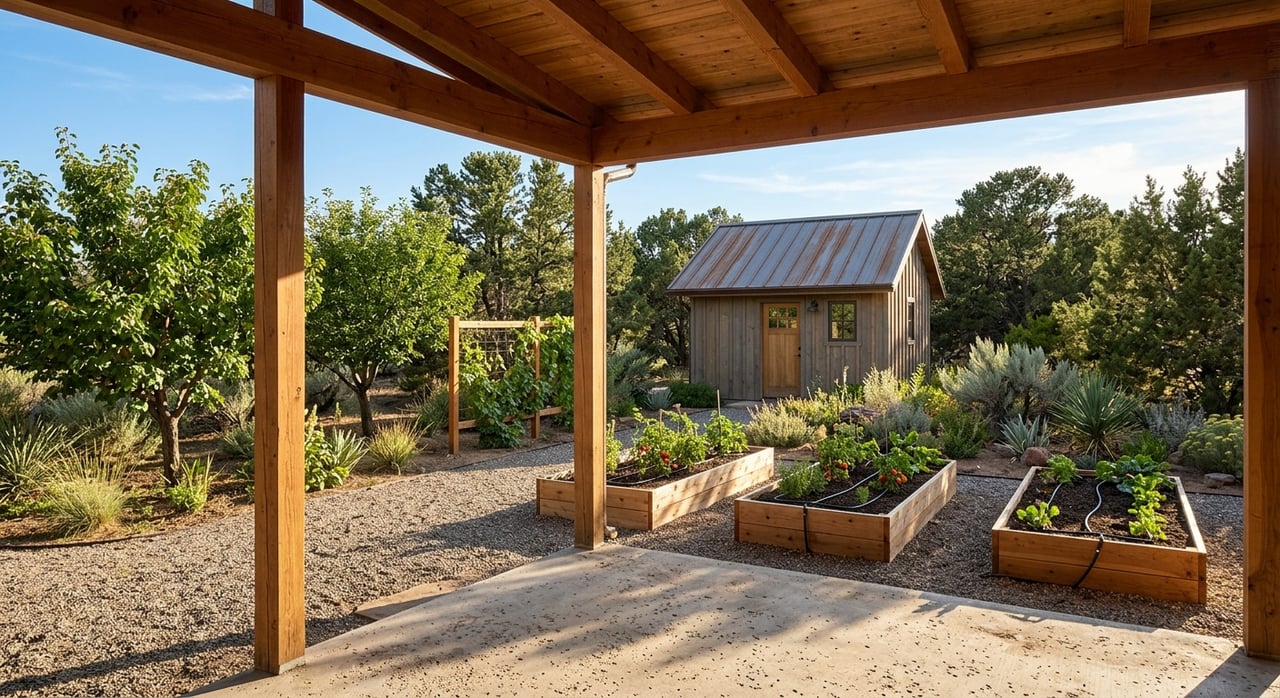
For many buyers, acreage means a chance to keep animals, plant a garden, or add useful outbuildings. In New Harmony, that can be possible, but it is not automatic. The exact zoning and the physical layout of the property both matter.
The town ordinance allows gardening and animal keeping under defined thresholds. It identifies large animals such as horses and cows, medium animals such as sheep and goats, and small animals such as poultry and rabbits. For long-term keeping, the ordinance requires at least one-half acre for large or medium animals and at least one-quarter acre for small animals, with proper fencing and maintenance.
The code also says that animals not specifically listed need Town Council approval. That is an important detail because it means you should not rely on assumptions. If you have a very specific plan for the property, it is smart to confirm it early.
Agricultural and residential-agricultural districts may also allow barns, corrals, pens, coops, machinery sheds, and other buildings incidental to agricultural use. In the Agricultural district, barns, corrals, and chicken coops must be at least 50 feet from the nearest dwelling or public street. So even when the acreage size works, the site layout can still affect what is realistic.
Water is a major part of the lifestyle
In New Harmony, water is not just a utility question. It is one of the biggest factors shaping what a property can support. If you are shopping for acreage, this is one of the first issues to verify, not one of the last.
Washington County’s water element says the county is Utah’s most arid and drought-prone county. It also estimates that a typical single-family connection uses about 40 percent indoor water and 60 percent outdoor water. That matters because acreage buyers often imagine more outdoor use, such as irrigating landscaping, gardens, orchards, or areas for animals.
The same county plan says the county does not provide utility services, including water, and that residents are served by the Washington County Water Conservancy District or smaller water districts and companies. New Harmony Town also identifies separate water systems and companies serving different parts of the valley. In practical terms, water service can vary from one property to the next.
Water rights are not automatic
This is where acreage buying can become more technical. A parcel does not automatically include the right to irrigate simply because it has land. Utah’s Division of Water Rights says water rights can be owned and transferred separately from the land, and that many parts of the state are closed to new appropriations.
For you as a buyer, that means the water-right package should be confirmed before you assume you can support a lawn, orchard, large garden, or livestock setup. This is one of the areas where careful due diligence can save a lot of frustration later. It is much better to verify the property’s actual water situation up front than to make plans based on guesswork.
Septic and access can shape value
Acreage buyers often focus first on views, lot lines, and privacy. In New Harmony, you also need to think like a systems buyer. Water source, septic feasibility, and access all play a major role in how usable a property really is.
Washington County’s water element says residential development in unincorporated areas is limited by septic-density requirements and the ability to prove access to culinary water. That means some parcels may look great on paper but still require deeper review before they are a practical fit. A property with beautiful surroundings is only part of the picture.
Road access matters too, especially if the parcel sits outside the incorporated town. Access is not just about getting in and out on a sunny day. It is also about how the property performs in winter conditions and how maintenance responsibilities are handled.
Town services versus county realities
Inside New Harmony, the town says it maintains its own roads, has its own water system, contracts for garbage removal, and provides street lighting. That can give buyers a more predictable day-to-day service picture. It still feels rural, but some core services are clearly defined.
Outside town, conditions can be different. The county overlay warns that some services, such as garbage pickup and school bus service, may not be provided, that emergency response can be slower, and that snow and road conditions can limit access. It also notes that snow removal and maintenance on private roads may fall to homeowners or HOAs.
That does not mean county-area acreage is a poor choice. It simply means you should picture the actual responsibilities that may come with it. If your ideal property includes a private road, winter access and maintenance should be part of your decision from the start.
Fire-aware building and land planning
The New Harmony area is prized for its natural setting, and local planning tries to protect that character. The county overlay says development should fit the natural rural setting and protect privacy and scenic views. For many buyers, that is part of the appeal.
The overlay also includes wildfire-aware standards in some areas, including Class A roofing in wildland-fire interface zones. This is a practical reminder that acreage living is not only about enjoying the landscape. It is also about being prepared to care for property in a place where weather, vegetation, and access all matter.
Who tends to love acreage here
New Harmony acreage often appeals to buyers who value space, scenery, and a more self-directed lifestyle. You may be drawn to it if you want room for a garden, the possibility of keeping certain animals, or simply greater distance from neighbors. It can also make sense if you want a home base that feels rural while still being within reach of Cedar City and St. George.
The best fit is usually someone who enjoys the benefits of land and is comfortable with the planning that comes with it. That includes checking zoning, understanding water service, reviewing septic needs, and asking detailed questions about access and maintenance. In this market, confidence comes from clarity.
What to verify before you buy
Before you move forward on acreage in New Harmony, it helps to confirm a few basics early:
- Whether the parcel is inside New Harmony Town limits or in the county area
- The current zoning district and minimum lot-size standards
- Whether your intended use for animals, gardening, or outbuildings is allowed
- Setback and placement rules for barns, coops, corrals, or similar structures
- The source of culinary water and any limits on service
- Whether water rights are included, transferable, or separate from the land
- Septic feasibility, especially in unincorporated areas
- Public or private road access and who maintains it
- Winter access, snow removal, and any HOA responsibilities
- Fire-aware building standards that may affect future improvements
Acreage purchases reward buyers who slow down and verify details. In a place like New Harmony, those details shape how the property will function long after closing.
If you are considering acreage in New Harmony, having a local guide who understands land, access, and transaction details can make the process much smoother. Brett Taylor brings practical Southern Utah experience to the search, helping you ask the right questions before you commit. When you are ready to explore your options, connect with Brett Taylor.
FAQs
What is daily life like on acreage in New Harmony?
- Daily life in New Harmony is typically quiet, scenic, and more spread out, with cool summer evenings, four seasons, and planned trips for errands and services.
What should buyers know about New Harmony zoning for acreage?
- Buyers should confirm whether a property is inside New Harmony Town limits or in the county area, because zoning rules, overlay standards, and minimum lot sizes can differ.
Can you keep animals on acreage in New Harmony?
- In town, the ordinance allows certain animals under defined acreage thresholds and fencing requirements, but the exact rules depend on the property’s zoning and the type of animal.
Why are water rights important for New Harmony acreage?
- Water rights matter because they can be separate from the land, and a parcel does not automatically include the right to irrigate gardens, orchards, lawns, or animal areas.
Do New Harmony acreage properties always have full utility and road services?
- No, especially outside town limits, where service levels can vary and some properties may have private-road maintenance, slower emergency response, or other access-related considerations.