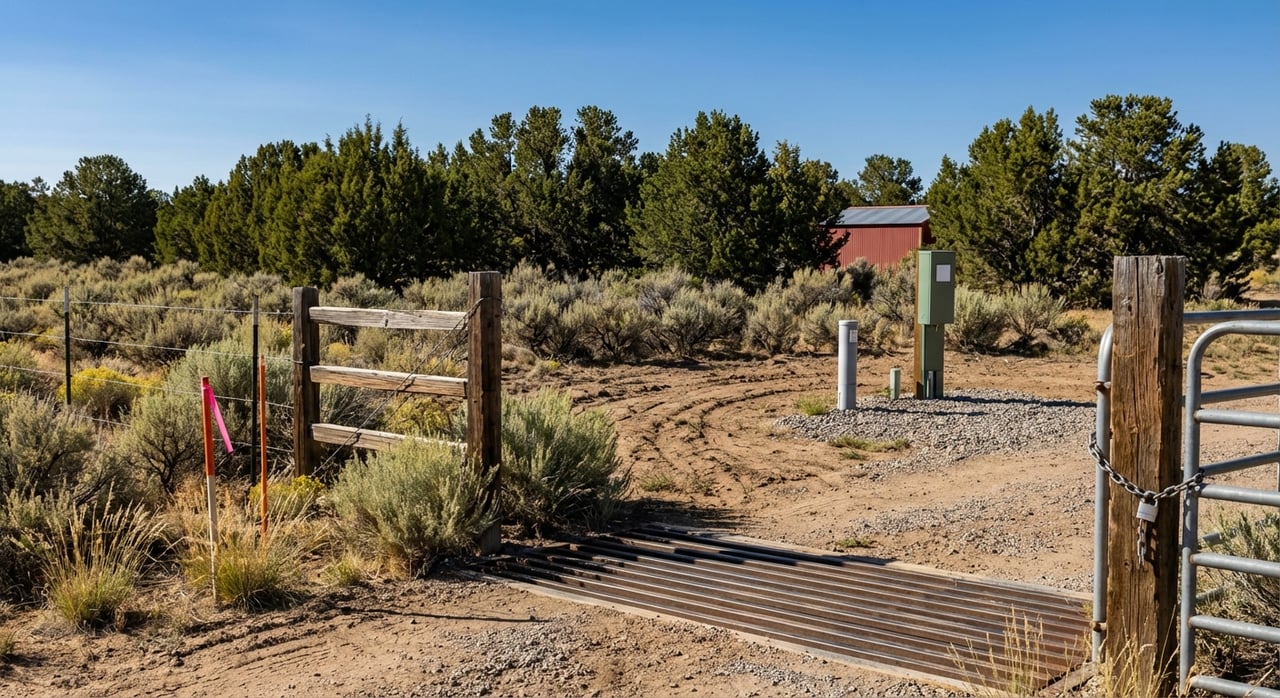
Looking for wide-open space in Enoch and not sure where to start? Buying acreage is exciting, but it works differently than buying a home in town. The big questions are zoning, water and sewer, access, and fees. This guide breaks each one down in plain English and gives you a simple checklist to use before you write an offer. Let’s dive in.
How acreage works in Enoch
Enoch is growing and actively updates zoning and service maps. The city posts zone changes, annexations, and land-use code updates on its public notices page. If you are comparing two parcels, rules can differ even a few streets apart. Always begin by reviewing the latest notices and code updates so you know what applies to your lot today, not last year. You can browse current notices on the city’s site under Ordinances & Public Notices.
City utilities are also a key factor. Enoch runs municipal culinary water and provides sewer in parts of the city. Service boundaries do not cover every parcel. Your plan, timeline, and budget can shift a lot depending on whether you can connect to city systems or need a well and septic. The sections below explain what to check.
Zoning at a glance
Common zone labels in Enoch
When you review listings, you will see labels like R‑1‑11, R‑1‑18, R‑R‑1, M‑R‑2, or C‑C. These come from Enoch’s Land Use Code. In general terms, R‑1‑11 and R‑1‑18 are single‑family residential categories with different lot size standards, and R‑R‑1 is a rural‑residential category that signals larger lots. Treat these as clues, not final answers. Use the official Enoch zoning map to confirm the zone on your parcel and then read the current text of the Zoning Ordinance for exact minimum area, width, setbacks, accessory buildings, and any conditional uses.
What “acreage” can mean here
“Acreage” in Enoch ranges from fractional‑acre lots in older areas to multi‑acre rural parcels. The same zone name can appear in several neighborhoods with slightly different standards based on code updates over time. That is why you always verify the zone on the map, then pull the current Land Use Code section for that zone. If you plan animals, outbuildings, or a home business, the code will spell out what is allowed and where.
Utilities drive feasibility
If you remember one thing, make it this: verify water and sewer first. Everything else follows from that.
City culinary water
Enoch’s water system is supplied by wells and storage tanks and uses an impact‑fee framework for new connections. Ask the seller or listing agent if the parcel is already connected and what meter size exists. If not connected, ask whether a water right, connection, or impact fee will be required to hook up. The city’s Culinary Water Impact Fee Facilities Plan explains capacity and the fee structure. You can review it in the city’s Water Master Plan (Culinary Water IFFP).
Sewer vs. septic
Parts of Enoch have municipal sewer. Other areas rely on septic systems. Do not assume sewer is available because there is a manhole down the street. Confirm whether your parcel sits inside the current sewer service area and what connection or impact fees would apply. Start with the city’s Wastewater Company page and ask the utility to verify availability by parcel.
If sewer is not available, you will need a private onsite wastewater system. In Iron County, septic permits are handled by the Southwest Utah Public Health Department. Plan on soil and percolation testing and a design completed by a qualified professional. Read the health department’s process and forms on the SWUPHD septic systems page before you make an offer.
Private wells and water rights
If your acreage does not have city water, you may rely on a private well. In Utah, well drilling and water rights are managed by the State Engineer through the Division of Water Rights. Before you count on a well, confirm three things: whether a well can be drilled on your lot, whether you have or can acquire the needed water right, and whether prior well logs exist for the property. You can search well information on the Division’s well info portal.
Power, gas, and internet
Electric service is common along public roads, but line extensions can be expensive on remote parcels. Natural gas is not guaranteed. Internet in rural Iron County often includes fixed wireless, DSL in limited areas, fiber in select neighborhoods, and satellite or 5G home internet. Check actual providers by address and ask about any line‑extension costs. For a quick overview of options commonly listed in Enoch, see this summary of internet providers in Enoch, then confirm availability for your parcel directly with each provider.
Access, easements, and roads
Legal, reliable access matters as much as utilities. Confirm whether your frontage is on a city‑maintained street, a county road, or a private drive. Public roads carry public maintenance. Private roads often require owners to share costs for plowing, grading, and repairs, usually under a recorded maintenance agreement.
Ask your title company for a current title commitment and review recorded easements. Utility, drainage, irrigation ditch, or access easements can limit where you build and who can cross your land. For questions about opening or working in a roadway, or to understand which roads the city maintains, visit Enoch’s Street Maintenance page.
Permits, fees, and splitting land
If you plan to split acreage into multiple lots, you will go through a subdivision process with the city. Enoch’s subdivision and final‑plat standards outline required improvements and how plats are recorded. Start by reviewing the city’s standards referenced in the development code, including the most recent final‑plat requirements posted in the public notices and code pages.
Connection and impact fees for water and, where applicable, sewer will affect your budget. The city updates its water and wastewater IFFPs and fee schedules, and annexations can change what is required. Ask the seller or agent to provide proof of any paid impact or connection fees for the parcel, and review the city’s Water Master Plan (Culinary Water IFFP) along with the Wastewater Company updates.
Building setbacks, accessory buildings, and use rules come from the Land Use Code. If animals, agricultural uses, or a shop are part of your plan, verify the rules in your exact zone using the city’s Zoning Ordinance.
Buyer due‑diligence checklist
Use this list as soon as you have a contract with contingencies in place. Move fast so you can cancel or renegotiate if a major issue appears.
- Confirm zoning and uses
- Look up the parcel on the official zoning map and read your zone in the Zoning Ordinance. Note minimum lot size, setbacks, and any conditional uses.
- Verify water and sewer
- Ask if the parcel is connected to city water and sewer now. Request proof of any paid impact or connection fees. If not served, review the city’s Water Master Plan and check sewer availability with the Wastewater Company. If a well is needed, pull any existing well logs and call a licensed driller. If septic is needed, contact SWUPHD about soils testing and permits.
- Order a title commitment
- Review recorded easements, road access, CC&Rs, mineral reservations, assessments, and any notices of code violations. Confirm that owner’s title insurance can be issued.
- Get a survey
- Commission an ALTA/NSPS survey or, at minimum, a boundary survey. Confirm corners, easements, and a realistic building envelope.
- Test soils
- Order soil and percolation tests for septic. Where slopes, fill, or expansive soils exist, request a geotechnical review for foundations. SWUPHD requires soils testing for onsite systems.
- Check flood risk
- Review FEMA maps for any floodplain that could affect building and insurance.
- Confirm road access and maintenance
- Verify whether access is by public road or private drive. If private, obtain any road maintenance agreement. See the city’s Street Maintenance page for roadway standards and permits.
- Price out utilities
- Contact electric, gas, and internet providers for availability and line‑extension quotes if the lot is remote.
- Verify subdivision path
- If you plan to split the parcel, read the city’s subdivision and final‑plat standards in the code and public notices. Confirm needed off‑site improvements and water or sewer impact‑fee policies.
- Review minerals and use limits
- Have an attorney or title professional review any mineral rights reservations and CC&Rs that could affect value or future use.
- Confirm services that matter to you
- Check fire coverage and response expectations and identify the assigned school district if this matters to your household. Use only neutral, factual sources.
Watch for red flags
- Limited or no municipal water and a need for new water rights can make development costly. Review the city’s Water Master Plan and ask about connection capacity and fees.
- High seasonal groundwater or poor soils can prevent septic approval. Always confirm with SWUPHD before you assume septic will work.
- Access shown as a dirt track without recorded easements is a risk. Use title research and the city’s Street Maintenance resources to confirm legal access.
- Parcels in an annexation corridor can see rules, fees, and services change. Watch the city’s Ordinances & Public Notices for updates before you commit.
Ready to evaluate a parcel?
Acreage can be a great fit if you line up zoning, water, sewer, access, and fees early. Build a short, focused contingency period into your offer so you can complete the checks above with confidence. If you want a steady hand to help you price risk, read surveys and title records, and coordinate with the city and health department, reach out to Brett Taylor for a no‑pressure consult.
FAQs
How do I confirm if an Enoch parcel has city water or sewer?
- Ask the seller for written proof of any paid connection or impact fees, then call Enoch’s water and wastewater utilities with the parcel number to verify current service and availability.
What zoning allows animals or a large shop in Enoch?
- It depends on your exact zone. Look up the zone on the city map, then read the current Land Use Code for permitted and conditional uses, setbacks, and accessory‑building rules.
Can I drill a private well for my acreage in Enoch?
- Possibly, but you must confirm well feasibility, water rights, and local rules with the Utah Division of Water Rights and use a licensed driller. Check for any existing well logs for the site.
Who approves septic systems in Iron County?
- The Southwest Utah Public Health Department handles permitting, soils testing requirements, and system design review for onsite wastewater systems in Iron County.
What should my offer include to protect me on land?
- Include a defined due‑diligence period and contingencies that let you verify zoning, water and sewer, septic feasibility, access, title, and utility costs before you go non‑refundable.